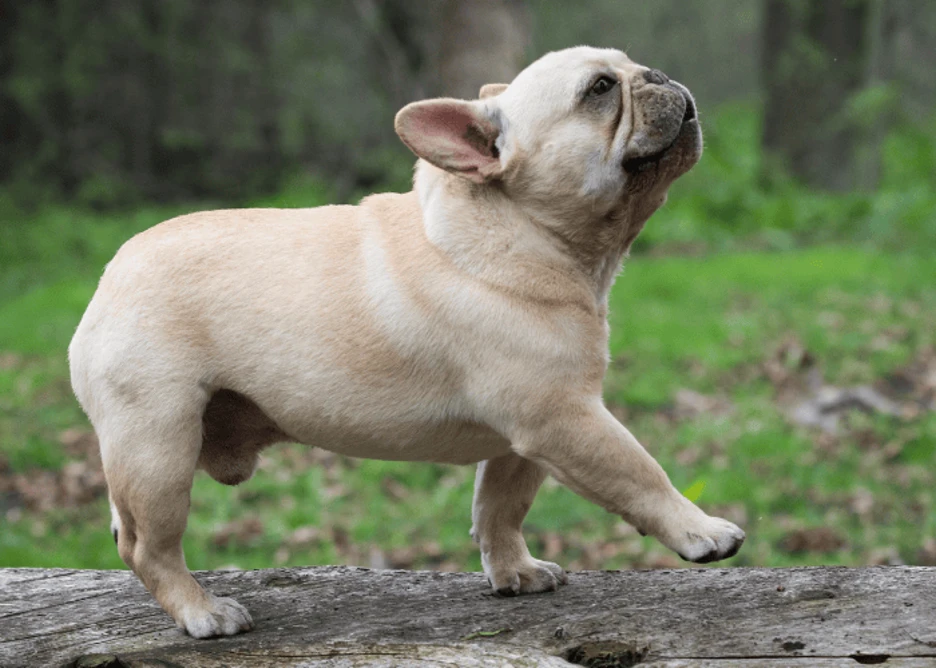

French Bulldogs have become one of the most popular breeds in America, and many people love them for their stunning variety of coat colors. French Bulldog colors vary from the traditional brindle pattern to an eye-catching blue coat, with each having its own unique appeal.
The genetics of French Bulldog colors involve specific genes that regulate pigment, determine the intensity of the color, and the pattern. French Bulldogs come in common colors like fawn, brindle, cream, and white. You can also find rare hues like blue, lilac, chocolate, merle, and Isabella, which attract a lot of attention and cost more. Before you fall for a specific coat color, you need to know what it means for the breed standard, health, and your wallet.
This guide covers everything from standard French Bulldog colors recognized by the American Kennel Club to the rarest coat variations that can sell for thousands of dollars.
Key Takeaways
- ●French Bulldogs come in common colors such as Fawn, Brindle, Cream, and White, with rare hues like Blue, Lilac, Chocolate, Merle, and Isabella.
- ●Cream is a pale, light coat, while White is a porcelain white coat.
- ●Tri-color French Bulldogs have three distinct colors in their coat, often including tan points that highlight specific areas.
- ●The merle coat pattern is inherited on a spectrum and is a dominant gene, meaning it only takes one copy to display this coat pattern.
- ●The intensity dilution gene affects the hue of fawn in French Bulldogs, with one copy diluting the color from red to beige.
- ●The agouti locus encompasses three distinct genes that determine the fawn and tan points in French Bulldogs.
- ●Responsible ownership emphasizes health over aesthetics, especially with "fad" colors, resulting in higher health risks.
Why Ethical Breeding Matters for Frenchie Colors
If you’re looking for a Frenchie in a specific shade, starting with an ethical breeder is the best move you can make. While Frenchies are famous for their beautiful coats, some rare colors can be linked to skin issues if they aren't bred responsibly.
When you use a trusted, ethical marketplace to find your puppy, you’re getting more than just a pretty coat. These platforms only work with breeders who put genetics first. This means they test for health markers to ensure that your puppy’s unique color doesn’t come at the expense of their well-being.
A Healthier Start, A Prettier Coat
Choosing a high-quality breeder means your pup is less likely to deal with the fur loss or skin irritation that sometimes pops up in poorly bred dogs. By browsing French Bulldogs for sale through reputable sources, you can feel confident that your dog was bred for both looks and a long, happy life.
The same rules apply no matter what breed you love. Whether you are checking out Dachshund puppies, Miniature Poodles, or Cavapoos for sale, ethical sourcing always makes the difference. You can explore all puppies for sale or read this guide to learn more about specific dog breeds to find the perfect, healthy match for your family.
Standard French Bulldog Colors Recognized by the AKC
The American Kennel Club recognizes specific standard French Bulldog colors that fit the breed standard for the show ring. These standard French Bulldog colors include brindle, cream, fawn, and white, with pied being an accepted pattern. Standard French Bulldog colors usually cost less than rare colors because they are more common, and French Bulldog breeders don't need special breeding stock to produce them.
French Bulldog breeders who focus on the breed standard prioritize these colors. Dogs with these coat types can compete in shows and are usually seen as healthier because they don't carry the genetic "fad" mutations linked to rare colors.
Brindle French Bulldogs
A brindle dog displays one of the most famous patterns in the French Bulldog breed. Brindle French Bulldogs have a base coat of fawn, with black hairs predominating and spreading in bands across the body. This brindle pattern creates dark streaks or stripes over a lighter base coat, giving every brindle dog a unique look.
The genetics are simple: brindle is a dominant trait, so a dog only needs one copy of the gene. There are different versions of this. In a standard fawn brindle, black hairs are very easy to see. In "tiger brindle," the stripes are very clear. While some people call light versions a 'reverse brindle,' they are actually more common than rare in the breed.
Cream French Bulldogs
Cream French Bulldogs have a solid off-white coat with no markings. People often think they are just light fawn. While fawn hairs predominate, cream is genetically different. These dogs have a pale cream look that is almost white but with warmer tones.
What makes cream French Bulldogs different from white ones is the warm feel of their coat and the fact that they almost always have black edges on their eyelids. White breed colors are often actually "extreme pied" dogs. Both types should have black pigment on their noses, eye rims, paw pads, and lips to meet the breed standard.
Fawn French Bulldogs
The fawn Frenchie is one of the most popular French Bulldog colors. A fawn coat can range from light tan shades to a deep red fawn, offering a lot of variety. A standard fawn dog usually has a dark mask or black mask around the face, which is preferred in the show ring.
The strength of the fawn color is changed by different genes. When exotic, rare colors affect a fawn base (like the blue gene), they can create blue fawn dogs. This changes the black mask, eyes, nose, and paw pads to a lighter, grayish color.
Pied French Bulldogs
A pied French Bulldog has a white coat with patches of another color, like brindle or fawn. The pied pattern makes every dog unique because the spots are different on every dog. You might see a fawn pied, a brindle pied, or other mixes.
Pied is usually a recessive gene, meaning the dog needs two copies of the recessive allele. Pied dogs with "extreme white" markings sometimes lack pigment in their ears, which can lead to health concerns, such as being born deaf.
Rare and Non-Standard French Bulldog Colors
Non-standard French Bulldog colors usually cost more than standard French Bulldog colors. Rare colors can be very expensive because they are hard to find, and the price of a French Bulldog changes a lot based on the coat color. French Bulldog breeders use specific bloodlines to get these rare colors. Black French Bulldog puppies are also considered rare.
The French Bull Dog Club of America and the AKC don't recognize these for shows. However, even if they aren't up to AKC standards, they are very popular with owners who like the way they look. It is important to understand the health issues that come with rare coats before buying.
Blue French Bulldogs
A blue French Bulldog has a diluted black coat that looks gray. The blue coat comes from a dilution gene that turns black pigment into shades like silver or slate gray. Blue Frenchies often have lighter noses and can also be blue fawn.
Is a blue French Bulldog rare? Compared to brindle, yes. Blue French Bulldogs can cost a lot more than standard ones. However, blue Frenchies can have health problems like Color Dilution Alopecia (CDA), which causes skin allergies, hair thinning, or hair loss because of how the pigment affects the hair.
Lilac French Bulldogs
Lilac French Bulldogs are rare and come from a mix of blue and chocolate genes. Lilac Frenchies are born to parents with both blue and chocolate DNA, creating a pale silver-lavender lilac coat. Their coat looks light blue-gray or purplish, and they often have light eyes.
While some might sell these rare colors for huge prices, most lilac French Bulldogs sell for a lot. The genetics require two copies of both the blue and brown genes, making these puppies harder to produce.
Chocolate French Bulldogs
Chocolate Frenchies have a brown coat that goes from dark cocoa to light milk chocolate. The chocolate dog gets its color from the "B locus" gene. When a dog has two copies of this brown gene, it changes the coat and the black nose to a "liver" or brown color.
A chocolate dog is a non-standard color. Many owners love the warm brown tones and the light-colored eyes. True chocolate is confirmed through DNA testing to ensure it isn't just a dark fawn.
Isabella French Bulldogs
Isabella is considered the rarest coat color. It is actually a diluted chocolate. The result is a beautiful pale grayish-brown look, often with light blue or green eyes. Many experts say this is the rarest dog color. Because they carry the dilution gene, they may have health concerns such as skin sensitivity and hair loss.
French Bulldog Coat Patterns
Patterns are different from colors because they describe how the color is spread out. Patterns can go over any base coat.
Merle French Bulldogs
Merle French Bulldogs have a spotted coat with irregular patches. A blue merle happens when the merle gene works on a black coat. It is important to know that merle is not a natural color in the French Bulldog breed; it was brought in by breeding with other dog breeds years ago.
The merle gene is dominant, so you only need one copy. However, merle French Bulldogs have serious health issues. You must never breed two merle dogs together. "Double merles" often have serious health problems, such skin issues.
Tri-Color French Bulldog Patterns
Tri-color dogs have three colors, usually a base with tan points above the eyes, on the cheeks, and on the legs. Popular mixes include black-and-tan, blue-and-tan, and lilac-and-tan. These look cool, but are not part of the breed standard.
French Bulldog Color Genetics
The genetics of French Bulldog colors involve specific genes. You can predict the coat color using DNA testing. Dominant genes like brindle only need one copy. A recessive gene, like pied, chocolate, or blue, needs two copies — one from each parent. This is why a brindle dog can "carry" the blue gene without being a blue dog itself.
Health Issues for Different French Bulldog Colors
Certain rare colors are linked to health problems because the genes affecting pigment also affect the skin and neurological systems.
- ●Color Dilution Alopecia:These skin allergies are common in blue, lilac, and Isabella dogs; prone to hair loss and itchy skin.
- ●Hearing/Vision: Merle-to-merle breeding is also more prone to deafness. Extreme white/pied dogs also have a higher risk of deafness.
- ●Sun Sensitivity: Lighter-colored dogs (white, off-white, cream, lilac) sunburn easily and are more susceptible to environmental skin issues.
How to Choose the Right French Bulldog Color
- ●Balance Personal Preference with Official Breed Standards:While a blue French Bulldog or lilac Frenchie might catch your eye, remember that personality and health are more important than coat color when selecting a family pet.
- ●Consider the Benefits of Standard Colors: Standard colors from reputable French Bulldog breeders typically come with fewer health concerns and lower price tags than "fad" variations.
- ●Understand the Investment for Rare Varieties: Rare colors command premium prices but may bring higher vet bills because the genetics behind them can sometimes influence other parts of the body.
- ●Be Aware of Color-Linked Health Issues: Rare French Bulldog colors like blue and lilac are prone to Color Dilution Alopecia, which results in hair thinning and skin sensitivity issues.
- ●Check for Patterns with Known Risks: Merle French Bulldogs are a non-standard pattern that carries a higher risk of deafness and visual defects, so you must ensure the breeder avoids passing on health problems through improper pairings.
- ●Look Past the Price of a French Bulldog: High costs for rare hues do not always equal better quality; instead, look for responsible ownership practices that emphasize health over aesthetics.
- ●Verify Health Testing Certifications: Whatever color you choose, working with a responsible breeder who performs health testing on their breeding stock ensures you bring home a healthy family pet.
Common Challenges and Misconceptions
Many buyers think "rare" means "better," but this isn't true. High cost doesn't mean better health. In fact, standard-colored dogs from show lines are often bred with more focus on breathing and joint health than "color breeders" who only care about the coat. The AKC disqualifies all solid black, black-and-tan, and merle dogs.
Frequently Asked Questions
What Is the Rarest Color of French Bulldogs?
Isabella French Bulldogs are considered one of the rarest and most expensive color variations, requiring both chocolate and blue DNA. Lilac French Bulldogs are also among the rarest, with some selling for as high as $50,000.
What Are the Different Colors of French Bulldogs?
French Bulldogs come in standard colors such as brindle, cream, fawn, white, and pied, plus rare hues including blue, lilac, chocolate, merle, and Isabella. The American Kennel Club recognizes only the standard colors for conformation showing.
What Color Frenchie Is the Cheapest?
Standard French Bulldog colors such as brindle, cream, fawn, and pied are less expensive because they’re more common. Brindle often represents the most affordable entry point for French Bulldog puppies.
What Is the Best Color for A French Bulldog?
The best color considers both health and breed standards, with standard colors like brindle, cream, and fawn being preferred by the AKC. Personal preference matters, but choosing health over fad aesthetics is always recommended.
Are Merle Frenchies Rare?
Yes, merle French Bulldogs are rare because the AKC considers them a non-standard pattern. Many breeders avoid producing them due to health risks associated with the merle gene.
How Much Is A Blue French Bulldog?
A blue French Bulldog can cost up to three times as much as a standard French Bulldog due to its rarity. Prices vary significantly by breeder and bloodlines.
What Color French Bulldog Is Most Popular?
Brindle is the most popular French Bulldog color as one of the most common standard patterns. Fawn and cream also remain consistently popular among buyers.
How Rare Is A Lilac Fawn French Bulldog?
Lilac fawn French Bulldogs are extremely rare, combining lilac dilution from blue and chocolate genes with a fawn base. High prices reflect the complexity of breeding and limited availability.
Conclusion
French Bulldogs offer a remarkable variety in coat colors and patterns, from common brindle and fawn to rare lilac and Isabella variations. While rare colors command higher prices and attract significant attention, responsible ownership means prioritizing health over aesthetics when selecting your French Bulldog puppies.
Whether you choose a standard fawn French Bulldog or save for a rare blue Frenchie, working with responsible French Bulldog breeders who conduct health testing ensures you bring home a healthy family pet. All French Bulldogs, regardless of coat color, share the same wonderful temperament that makes them one of America’s most beloved dog breeds.
Ready to Get Started?
Find your perfect puppy and start your journey today!