

French Bulldogs capture the hearts of many with their adorable bat ears, square heads, smooth coats, muscular build, and big personalities. The breed quickly becomes cherished family members for their affectionate nature and even disposition. They’re playful but not overly energetic, affectionate without being needy, and calm-tempered, making them excellent companions for apartments or first-time dog owners.
However, welcoming a French Bulldog puppy into your home comes with a level of responsibility. One of the first things you’ll want to know about your new pup is their life expectancy and how you can extend it. In this guide, we'll explore daily care tips, the science behind a French Bulldog's lifespan, and how you can give your dog a healthy and long life.
Key Takeaways
- ●French Bulldogs have an average life span of 10 to 12 years, but they can live longer with proper care.
- ●Genetics, breeding practices, dog nutrition and weight control, and veterinary care are very important factors influencing French Bulldog longevity.
- ●French Bulldogs are also vulnerable to breed-specific health conditions, such as Brachycephalic Airway Syndrome and French Bulldog intervertebral disc disease, which can reduce the average life expectancy of your dog.
- ●French Bulldogs also need exercise, mental stimulation, regular veterinary care, and climate control to maintain good health.
- ●Adopting a responsibly bred French Dog puppy makes all the difference in the long run.

What Is the Average French Bulldog Life Expectancy?
In the Scientific Reports Journal, Teng et al. (2022) determined that the life expectancy of the French Bulldog at birth was 4.53 years, which was the lowest of all breeds. Another study in Japan determined that the life expectancy of the French Bulldog was 10.2 years. Recently, in the UK, a study by McMillan et al. (2024) established that the average life expectancy for this breed was 9.8 years, while for pure breeds it was 12.7 years, and for crossbreeds, 12 years.
Most sources point to 10 to 12 years for the average lifespan of a French Bulldog. The age range is common among many healthy dogs, and many French Bulldogs can live into their teens if you manage their health issues properly.
The French Bulldog has become very popular in recent years, ranking among the most popular dog breeds. However, with their popularity, their breeding has increased rapidly, and not all of it is done in a healthy and ethical manner. This is where the variation in life expectancy begins.
Common Lifespan Ranges
- ●10-12 years: This is the age range most frequently given by vets and breeders.
- ●10-14 years:Possible with excellent genetics, good healthcare, and proper weight management for French Bulldogs
- ●Lower Averages in Population Studies:Some large-scale studies in the veterinary sector indicate low life expectancy at birth as a result of high mortality rates in infancy, which are related to respiratory problems and other health issues.
Why Reported Lifespan Numbers Vary
Lifespan data varies widely depending on how it’s collected. Population-level research, such as research done by the Royal Veterinary College, follows thousands of dogs under veterinary care. Such data includes dogs dying young with serious health issues, which pulls down averages.
On the other hand, breeder data and owner-reported lifespans often reflect dogs raised with strong preventive care and support. Breed standards, conformation (like an extremely short nose), and how responsibly dogs are bred all influence these numbers. In short, statistics tell us about risk, not destiny.
French Bulldog Health Issues Affecting Lifespan
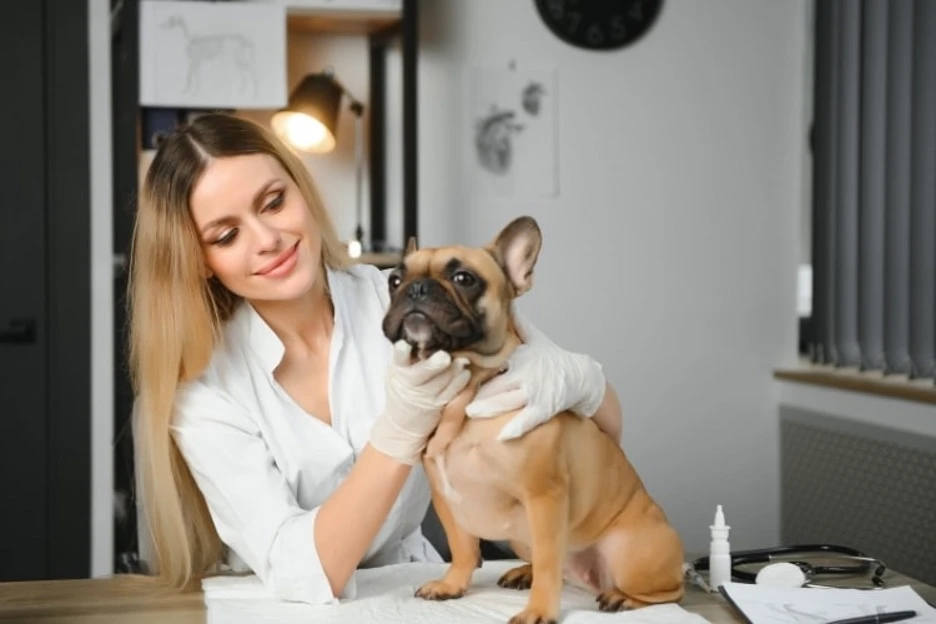
The most influential factor on how long a French Bulldog lives is health. Because of their distinctive physical make-up, French Bulldogs are predisposed to health conditions, but proper health care can make a huge difference.
Brachycephalic Obstructive Airway Syndrome (BOAS)
The French Bulldog is part of the brachycephalic breed group. This classification refers to their short head and flat face. This adorable appearance comes with certain risks. For instance, Brachycephalic Airway Syndrome in French Bulldogs can cause breathing problems, exercise intolerance, and heat sensitivity.
French Bulldogs with breathing issues can have trouble exercising, overheating, or be stressed for their whole lives due to heart and lung conditions. It can shorten their lifespan if not managed properly through weight control, climate management, and veterinary support.
French Bulldogs & Intervertebral Disc Disease (IVDD)
IVDD affects the spine, and this dog breed is more prone to the condition compared to other breeds. The dog’s short, muscular body structure exerts pressure on the spine, increasing the risk of disc degeneration, mineralization or herniation.
IVDD can vary from being mildly bothersome to full paralysis. Early treatment, being at a healthy weight, and avoiding heavy impact exercise can help prevent IVDD. Responsible breeders will also do their best to prevent the inheritance of spinal problems.
Skin and Ear Problems
Those lovable heavy wrinkles and folds come with a set of responsibilities. Skin fold dermatitis, skin allergies, and ear infections are some of the most common problems in French Bulldogs. Trapped moisture in the folds of their skin or in their ears can cause chronic irritation and infection.
Although these may seem like small issues, skin problems can become health concerns and cause pain and stress. Cleaning and grooming, along with regular visits to the vet, go a long way in keeping your dog's skin and ears healthy.
Other Genetic Risks
The French Bulldog can also be susceptible to:
- ●Eye conditions
- ●Joint issues like patellar luxation
- ●Overheating due to improper heat regulation
Compared to other dogs, such as the English Bulldog or the Toy Bulldog, the French Bulldog tends to be more agile but still requires special care. This is due to genetics, and it's important to choose ethical, responsible breeders.
At HonestPet, we pair you with a responsibly raised French Bulldog puppy that comes vet‑checked and vaccinated, AKC registered and microchipped, protected by 30 days of AKC pet insurance and a best‑in‑class health guarantee, plus lifetime training support and access to a veterinary helpline. This ensures you can bring your pup home with complete peace of mind.

How Dog Nutrition Impacts French Bulldog Longevity
Dog nutrition is one of the most effective resources you have at your disposal to support a long life. Food supports every function in your dog’s body, from the immune system to joint health.
Proper Nutritional Balance for French Bulldogs
The best food for French Bulldogs is rich in the following:
- ●Animal-protein sources for muscle maintenance.
- ●Healthy fats for healthy skin and coat.
- ●Vitamins and minerals for metabolism
Proper nutrition supports overall health and helps maintain ideal French Bulldog weight, which is important for respiratory, joint, and heart functions.
Common Nutrition Mistakes to Avoid
Overfeeding is one of the most frequent errors. It causes excessive weight gain, making breathing, joint issues, and metabolic disorders, as well as heart-related complications, worse, and leading to the puppy developing chronic inflammation. Portion control, developmental formulas, and weight management during the growth of your puppy to a full-grown French Bulldog are a must.
Supplements and Probiotics
Some dogs require vet-approved joint support or probiotic supplements for digestive issues. These are not a cure, but with the right usage, they can ensure a dog lives a full life.

Daily Care and Lifestyle Habits for a Longer, Happier Life
The habits of daily life are far more influential on long-range outcomes than most owners understand.
Exercise Needs
Exercising French Bulldogs can take up to an hour a day, including short walks and engaging play sessions. Short walks and low-intensity games are ideal for developing the muscles while avoiding the respiratory system. French Bulldogs are extremely intelligent and active, and need mental and physical stimulation to ensure they’re healthy and fit.
Temperature and Environment
Frenchies have difficulty regulating their body temperature. A controlled environment with a stable temperature, shade, and access to clean water is essential for these dogs as they're prone to heat stroke. Also, using a harness instead of a collar is helpful for Frenchies to reduce stress on their airways.
Grooming and Dental Care
French Bulldogs have a short coat that requires minimal grooming; occasional brushing is sufficient to keep it healthy. A smooth coat makes grooming easier, but wrinkles need regular cleaning. French Bulldogs should have their nails trimmed regularly to prevent pain from overly long nails.
Dental hygiene is equally crucial. French Bulldogs can develop heart and kidney infections due to poor dental hygiene.
Stress and Mental Health
Mental stimulation, training, and socialization ensure that dogs have good emotional well-being. A calm, playful dog is more robust and leads a better life.
This is also where HonestPet excels. With their lifetime training and support, you’ll never be alone when questions arise. Having trusted advice will help you make informed decisions about your pet’s health and happiness.

How to Choose a Responsible French Bulldog Puppy
Longevity starts long before your puppy comes home. Responsible breeders minimize inherited issues like spinal problems and breathing difficulties.
What to Ask a Breeder
Responsible breeders prioritize health over appearance. Ask about:
- ●Genetic health screenings
- ●Parent health histories
- ●Adherence to breed standard guidelines
Organizations like the American Kennel Club (AKC) and respected French Bulldog clubs emphasize ethical breeding practices to reduce inherited health problems.
HonestPet’s Trusted Breeder Process
HonestPet partners with compassionate, responsible breeders. Each breeder is carefully vetted, no puppy mills are involved, and health records are provided before delivery. Families can meet breeders, choose delivery options, and trust that their puppy was raised with care. If you’re exploring options, you can view available breeds and puppies for sale.
Frequently Asked Questions
Why Do French Bulldogs Have Shorter Lifespans than Other Breeds?
The French Bulldog breed is cute and affectionate, but the unique structure, especially the flat face, makes them susceptible to respiratory problems such as BOAS. Respiratory issues and joint problems like IVDD, skin infections, and heat intolerance can shorten their life expectancy compared to different breeds.
Since French Bulldogs are a very popular breed, some breeders place more emphasis on appearance than on their well-being, leading to puppies born with inherited ailments. Acquiring the puppy from the right breeder makes all the difference in their future well-being.
Can Frenchies Live Beyond 12 years?
Yes, French Bulldogs can live well into their teens, especially with veterinarian care, proper eating, and daily exercise. Female French Bulldogs can live longer than males if spayed and maintained at a healthy weight.
Beginning with a well-raised pup and taking care of their special needs, such as preventing overheating and checking their health status, can definitely extend the 12-year life span of a Frenchie.
Do a French Bulldog’s Height, Weight, and Size Affect Its Lifespan?
Yes. weight plays a big role in a Frenchie’s breathing, joints, and heart. A full-grown French Bulldog should weigh under 28 lbs and is considered fully grown around 12 to 14 months old. Extra weight can make it harder for a French Bulldog to breathe and move, especially in hot weather.
This breed doesn’t need long hikes but benefits from short walks and indoor play. Keeping your pup active and lean can reduce the risk of serious complications later in life.
Which Health Screenings Can Help Extend a Frenchie’s Life?
Proactive health care is very important, and you should see the vet to screen for:
- ●Breathing issues like BOAS
- ●Spinal conditions such as IVDD
- ●Heart health and skin infections
- ●Eye concerns and dental disease
Female French Bulldogs also need reproductive health checks. Annual bloodwork, weight tracking, and dental cleanings help catch problems early. This is especially important for French Bulldogs with unique markings such as brindle, fawn, blue fawn, or white markings.
How Does Climate Affect French Bulldogs' Longevity?
French Bulldogs are prone to overheating due to their brachycephalic features, so warm weather is a serious danger. Overheating may cause respiratory distress or even more serious consequences, so you should try to schedule your dog’s walks during cooler parts of the day and ensure they stay in a climate-controlled environment.
If you’re in a tropical area, make use of cooling vests and fans, and avoid going out during peak sun hours. Regardless of your dog’s color and build, most French Bulldogs need help staying cool and safe.
How Soon Should Training Start?
Start training your French Bulldog puppy as soon as they come home, ideally at eight weeks. Early training builds confidence, reduces anxiety, and strengthens your bond. This popular breed thrives on routine and structure. Early socialization and puppy training classes for French Bulldogs help them develop into well-adjusted adults.
Training also provides much-needed mental stimulation, which helps reduce destructive behavior and keeps their mind sharp.
Are Frenchie Puppies Born with IVDD?
Not exactly. Frenchies are genetically predisposed to IVDD, but symptoms usually show up between ages two and six. You won’t see it in a newborn pup, but the risk lives in their spine from day one.
You can reduce that risk by choosing a puppy from a health-tested line. When adopting a puppy online, responsible breeders screen for spinal issues. Avoid jumping from high places and keep their weight under control to protect their backs.
What Signs Suggest a French Bulldog’s Health is Declining?
Frenchies can’t always tell you they’re unwell, but they show it. Look out for:
- ●Struggling to breathe
- ●Lethargy or hiding
- ●Change in appetite or stool
- ●Frequent scratching or red skin
- ●Eye or ear discharge
Female French Bulldogs can go through hormonal changes when they’re not spayed, and unexpected weight changes or acting differently indicate pain. When your dog has white markings, other colors, or a dull coat, trust your instincts. If something just doesn't feel right, take your dog to the vet.
Conclusion: So, How Long is the French Bulldog's Lifespan?
While statistics vary, most Frenchies enjoy 10-12 years of love, companionship, and joy. Lifespan is influenced by genetics, nutrition, daily care, responsible breeding, and proactive veterinary medicine. When you start with a responsibly bred puppy, manage health issues early, and commit to thoughtful care routines, you can give your Frenchie the best chance at a healthy and long life.
HonestPet makes that journey easier by pairing families with trusted breeders, providing health records, offering complimentary pet insurance, and providing lifetime training guidance. If you’re ready to welcome a French Bulldog into your life with confidence and care, explore HonestPet’s available puppies and experience what many families call “adopting online.”
References
- ●Inoue, M., Kwan, N. C., & Sugiura, K. (2018). Estimating the life expectancy of companion dogs in Japan using pet cemetery data. Journal of Veterinary Medical Science, 80(7), 1153-1158.
- ●McMillan, K. M., Bielby, J., Williams, C. L., Upjohn, M. M., Casey, R. A., & Christley, R. M. (2024). Longevity of companion dog breeds: those at risk from early death. Scientific Reports, 14(1), 531.
- ●Teng, K. T. Y., Brodbelt, D. C., Pegram, C., Church, D. B., & O’Neill, D. G. (2022). Life tables of annual life expectancy and mortality for companion dogs in the United Kingdom. Scientific Reports, 12(1), 6415.
Ready to Get Started?
Find your perfect puppy and start your journey today!