

Roughly one in every seven new dogs in the US was a French Bulldog between 2022 and 2023. In 2023, the American Kennel Club registered nearly 74,000 Frenchies, following a peak of over 108,000 in 2022. The numbers have increased in recent years, and that kind of consistency isn't accidental among popular breeds.
There is no doubt that these dogs are the most popular among their peers, and when you have so many people choosing one particular breed year after year, it's usually because there is something special about them, something you don't fully understand because you haven't lived with one yet. The French Bulldog breed has earned its place as the most popular dog breed in America.
French Bulldogs are undeniably charming. Life with a Frenchie often means never going to the bathroom alone and sharing your couch with a professional napper whose presence brings you nothing but peace. They've become very popular in recent times, and their adorable faces, be it brindle, fawn, or other color variations, have likely popped up on your screen more times than you can count.
However, behind the popularity and virality of these dogs are the personality traits, temperaments, and behavioral factors you should know of before getting one. This article discusses all of these, factoring in everything that matters when learning about the French Bulldog temperament and what makes this breed unique.
Overview of the French Bulldog Breed
French Bulldogs were bred for companionship, and it shows in everything they do. These breeds originated in the 19th century, developed in Paris from English Bulldog stock crossed with local French ratters. The lace workers of Nottingham, England, brought miniature Bulldogs to France during the Industrial Revolution, where they became beloved companions of Parisian lace makers. The aim was to design a toy version of the bulldog, giving a lapdog and companion for owners. The breed eventually gained widespread recognition among the locals and in the United States in the late 19th century.
This background is still evident today. Frenchies thrive on human interaction and are happiest when they are part of everyday life. Physically, they are compact and muscular dogs with a smooth coat and are easy-going, and highly expressive. As a flat-faced and brachycephalic breed, they have unique characteristics that set them apart from other breeds. They are especially well-suited for apartments, city dwellings, or any home environment that loves compassionate dogs. Many French Bulldog owners find them to be ideal family pets.
Core French Bulldog Temperament Explained

Image by Writchid Snipes on Canva
French Bulldogs are affectionate, loving pets that are usually emotionally attached to their owners. They form strong bonds, love being part of a big family, and are likely to have great relationships with younger kids and family members. Understanding the French Bulldog personality is essential for prospective owners.
While one of their biggest personality traits is their affectionate nature, they are also sensitive dogs. They pick up on moods quickly through body language, and sometimes even match your state of mind. However, this sensitive nature also means they don't respond well to harsh tones or punishment. They are more likely to thrive in a calm, patient environment that brings out the best in them.
While these are the general temperament traits most Frenchies possess, individuality also matters. Some French Bulldogs can be more outgoing and playful, while others can be a little more laid back. Gender can also slightly influence behavior, as male Frenchies are generally described as a bit more active and playful than females.
The gender differences, however, are modest, and factors such as training and early socialization play a much bigger role. Early socialization helps French Bulldogs develop into well-adjusted pets who get along with other dogs and animals.
French Bulldog Personality Traits
Individual differences matter in the behaviors your Frenchie exhibits, but some French Bulldog personality traits are very much innate and will show up more than half the time.
Affectionate and People-Oriented
French Bulldogs love being close to their owners, so if you're moving from room to room, they are likely to follow you around incessantly. Frenchies thrive on attention and feel most secure when included in your plans. This makes them ideal family pets, especially in big homes where people are often around.
They are also great for pet owners who work from home and spend a lot of time there. If you're someone who is barely around, a Frenchie might not be your best bet because you'll be denying them the time and attention they usually thrive on. Many Frenchie owners describe their dogs as velcro companions who want to be involved in every aspect of daily life.
Playful but Low-to-Moderate Energy
Frenchies enjoy playtime, but they are not endurance athletes. A short burst of fun, a quick game, and a short walk is fine. Anything that would take up too much energy, on the other hand, isn't something they'd be interested in.
French Bulldogs are the type of dog that enjoys curling up in the park and basking in nature, not running around in circles continuously. They are happy to take that nap with you, be present in the moment, and relax all day. Therefore, they are perfect for people who want a playful dog without nonstop energy. Unlike some other dogs that require hours of exercise, this breed is content with moderate activity.
Stubborn but Intelligent
It might sound contradictory when we say they love their peace but can also be stubborn, that's just one of the many appeals of these adorable pets. French Bulldogs tend to be stubborn, a trait inherited from their Bulldog lineage. They always know what they want and are independent thinkers during training.
Their strong-willed nature means they can test boundaries, ignore commands when distracted or unmotivated, and decide if a task is simply not "worth their time." Prioritizing positive reinforcement with proper motivation is necessary in situations like this. It's also important to keep in mind that it isn't an act of defiance but more of an innate personality trait that defines the breed.
Clownish and Expressive
People often call Frenchies clown dogs because of their goofy antics, quirky sitting (frog leg style), and comical expressions. They are natural entertainers, and this would surely come in handy because they'll be there to cheer you up on the days you're down. Their front heavy structure contributes to their unique sitting style, which only adds to their charm.
French Bulldog Training - What to Expect

Image by Efrem Efre on Canva
Training for most dog breeds often varies. Your dog's temperament and French Bulldog personality traits matter and dictate what approach to take during training. Understanding the breed standard can also help set realistic expectations.
Training a Frenchie is rewarding with the right approach, and knowing what to expect helps you prepare better. Working with French Bulldog puppies from a reputable breeder who follows standard breeder guidelines often makes the process smoother, as they've typically had training and early socialization from birth.
What to Expect: Challenges
Stubbornness is one major trait that can interfere with training. They'll test you and ignore commands if they lack proper motivation. Most Frenchies also have a relatively short attention span, and sessions over 5-10 minutes might begin to get boring.
Harsh corrections can backfire due to their sensitive nature, and frequent potty breaks may be needed, especially for French Bulldog puppies under six months old with smaller bladders. Puppies at this age need patience and consistency.
Effective Training Strategies
Positive Reinforcement Training
Frenchies respond best to rewards, and if you want the best results when working with them, this is the first thing to keep in mind. Showering them with treats, always using quality food as rewards. Praise can yield better results than harsh corrections and discipline. Positive reinforcement encourages good behavior and builds trust between you and your dog.
Consistent and Short Trainings
Short, frequent training works better for Frenchies than long drills. Five to ten minutes at a time keeps training fun and prevents frustration for both of you. Consistency across all life stages helps maintain good behavior.
Start Now and Implement Early Socialization
Starting early can help you and your dog get a significant headstart. The ideal time to start training your Frenchie is between eight and 12 weeks. These breeds are usually quick to learn and absorb their surroundings, so early socialization can also be a huge plus.
Introducing your dog to different people, pets, sounds, and environments can help build their confidence. Focus on taking them out and about, getting them comfortable around other people, animals, and dogs, and start potty training. Early exposure helps French Bulldogs become well-adjusted members of their families.
Break Things Down
Teach in tiny steps and take things slowly. The progress will surely add up over time. A slow approach works particularly well for this breed, which responds better to patience than pressure.
Exercise and Mental Stimulation Needs
Frenchies don't need an intense workout, but they do need daily movement and mental stimulation. Short walks, indoor play sessions, puzzle toys, and interactive games can help fill this need and provide mental stimulation. Because of their breathing limitations as a brachycephalic breed, avoid overheating and overexertion, especially in hot or warm weather.
French Bulldogs should never be left unattended in water, as their front-heavy build makes them prone to drowning. Always supervise water activities and keep your Frenchie safe around pools or bodies of water. You can also read our puppy quick start guide for the essential need-to-know on bringing home a new puppy.
French Bulldog Behavioral Challenges to Know
Every Bulldog breed has challenges, and the same goes for Frenchies. What's important is learning to understand why these behaviors occur and to respond with love and care.
Stubbornness and Selective Hearing
If your Frenchie ignores a command, it might not always be due to stubbornness. Aside from their innate traits and tendency to do things their way, other factors may be at play. They might be tired, lack proper motivation, or it could be that your routines lack consistency. Whatever it is you eventually deduce, ensure you factor in these possibilities and do not just blame it on stubbornness.
Separation and Anxiety
These breeds love deeply and, as a result, may struggle when attention or care is lacking. It's never advisable to leave them alone for so long, and if you plan to, gradual independence training can help them handle things better. French Bulldogs bond strongly with their families and can experience separation anxiety when isolated for extended periods.
Attention-seeking Behaviors
It's unlike Frenchies to bark excessively, so if you notice this, coupled with whining and incessant attention-seeking, this might be a sign of boredom. It usually means they need a connection. Occasional playtime, mental stimulation, and training can help meet their needs without reinforcing bad habits. Some noisy breathing is normal for the breed, but excessive vocalization usually indicates an unmet need.
Grooming and Health Issues That Affect Temperament
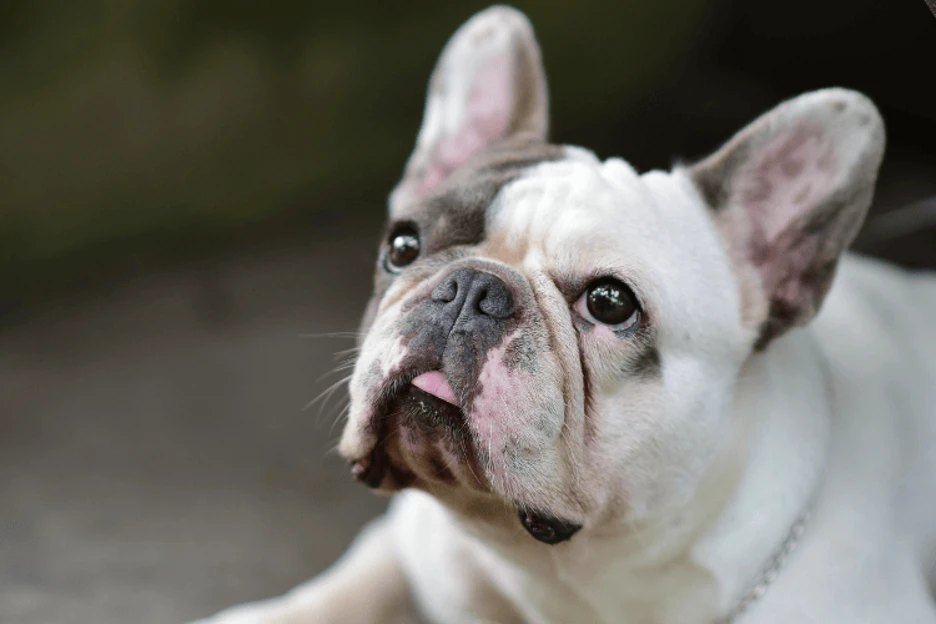
Image by Sóc Năng Động on Canva
Frenchies are generally considered low-maintenance because of their short coat, which doesn't require frequent grooming. Weekly brushing or occasional brushing is typically sufficient to maintain their smooth coat. But their grooming and health needs play a bigger role in their temperament than most people realize. When a French Bulldog is comfortable and well cared for, it reflects in every other aspect, such as their peace of mind, responsiveness, and overall well-being.
Let's start with grooming. French Bulldogs have short coats, which makes brushing fairly simple, but their skin folds need regular attention because if they are not cleaned, irritation and skin allergies can set in. Regular nail trimming, ear cleaning, and dental care are also important because they help prevent minor issues from becoming sources of stress or pain.
Health-wise, Frenchies can be sensitive dogs, especially because of their flat faces. As a brachycephalic breed, breathing difficulties can affect their energy level and patience, making them lazy, irritable, and less playful on certain days. Understanding the breed's health issues is crucial for all French Bulldog owners. Heat sensitivity is another major factor. When your dog gets too warm, they may become restless and anxious.
Keeping them cool and avoiding overexertion in warm weather can help put this under control. French Bulldogs are at higher risk for heat-related issues than many other breeds, so vigilance during summer months is essential. Generally, for pet parents, routine vet checks, regular vet visits, and a consistent grooming routine should help you keep things in check.
Common health conditions in French Bulldogs include hip dysplasia, spinal disease, breathing problems related to their flat faced breed structure, and potential health concerns with their joints. Maintaining a healthy weight through proper food and a balanced diet is essential for managing these health issues and promoting overall health. The breed's life expectancy is typically 10-12 years when properly cared for.
If you're still researching where to get French Bulldogs for sale, Honestpet is a great place to start, as our breeds are sourced from trusted, ethical breeders to help you avoid health complications. A reputable breeder will screen for common health issues and ensure puppies come from healthy lines that meet the breed standard established by organizations such as the French Bulldog Club and similar breed clubs.
FAQ
Do French Bulldogs Make Great Family Pets?
French Bulldogs make excellent, affectionate, and low-maintenance family pets. They get along with everyone, including younger kids and other pets in the home. Their adaptable personality traits make them suitable for various living situations, from apartments to larger homes.
How Do You Socialize a French Bulldog Puppy?
You can socialize a Frenchie puppy by involving them in safe, positive, and consistent exposure to new people, animals, and environments (ideally from eight weeks of age). Focus on short, controlled experiences to avoid overwhelming them. Introducing French Bulldog puppies to other dogs, pets, and animals helps them develop into confident, well-adjusted adults.
How Much Attention Does a Frenchie Need Daily?
These breeds need several hours of human contact spread throughout the day, combined with 30-60 minutes of play and mental stimulation. You don't necessarily need to give constant hands-on attention every 30 minutes because they also enjoy their own company. However, French Bulldogs are companion dogs and shouldn't be left alone for extended periods.
How Do You Correct Unwanted Behaviors Gently?
Correcting unwanted behaviors in French Bulldogs is most effective with a gentle, patient approach rooted in positive reinforcement. When your Frenchie whines, barks, or paws for attention, calmly turn away, avoiding eye contact or touching until they settle.
Once they're calm, reward that desired behavior with praise, affection, or a small food treat. Consistently giving attention during demanding moments can unintentionally reinforce undesirable habits, so timing your response makes all the difference. This approach works across all life stages and is especially important for training French Bulldog puppies.
Do Frenchies Get Attached to One Person?
Yes, Frenchies frequently bond deeply with one person, often becoming velcro dogs who follow their primary caregiver everywhere. However, they are not strictly one-person dogs and can bond well with the whole family. They typically enjoy the company of all family members and can adapt to multi-pet households with other dogs and pets.
What Colors Do French Bulldogs Come In?
French Bulldogs come in several colors recognized by the breed standard, including brindle, fawn, cream, and various combinations. Brindle French Bulldogs have a tiger-striped pattern, while fawn Bulldogs range from light tan to deep red-fawn. Some color variations, like blue or merle, exist but may not meet the breed standard and can be associated with a higher risk of certain health issues.
Final Thoughts
French Bulldogs may be compact in size, but their personality has a way of filling every room they enter. The quirks we've talked about are exactly what make them so beloved and one of the most popular dog breeds in the U.S. When you understand the French Bulldog temperament, respect their boundaries, and stay attentive to their health and grooming needs, life with a Frenchie becomes truly joyful and unforgettable for everyone involved.
Ready to Get Started?
Find your perfect puppy and start your journey today!