

The French Bulldog has captured hearts worldwide, quickly becoming arguably the most popular dog breed in modern history. Whether you call them a Frenchie or a French Bulldog, these small companions with big personalities are a constant fixture in city parks and social media feeds. People search for this popular breed because they offer a unique combination of charm, portability, and a laid-back attitude that fits perfectly into various lifestyles.
If you are a future French Bulldog owner, this guide is for you. We'll answer the most pressing questions about French Bulldog puppies, from their physical needs to their long-term care.
What is a Frenchie?
Despite the name, the Frenchie or French Bulldog actually has deep roots in England. During the Industrial Revolution, lace makers in Nottingham kept miniature bulldogs as lap warmers while they worked. These dogs were descendants of the larger English Bulldog, a breed originally used for the cruel sport of bull baiting. When the lace makers migrated to France in search of work, they took their small bulldogs with them.
Why French Bulldogs Were Bred as Companion Dogs
In France, these small dogs became an instant hit. They were crossed with other breeds, likely terriers and pugs, to refine their size and personality. Unlike the English Bulldog, which was bred for strength, the Frenchie was bred specifically for companionship. They weren't meant to hunt or guard; they were meant to be loved. This affectionate nature is what made them favorites among both the working class and the high-society circles of Paris.
If you’re convinced this personality is right for you, you can browse French Bulldog puppies for sale from ethical breeders.
How the Breed Changed Over Time
The French Bulldog breed evolved from a working-class mascot to a symbol of luxury. When Americans visiting France saw these dogs, they fell in love with their bat ears. While some European breeders preferred the "rose" ear typical of bulldogs, American enthusiasts insisted on the upright bat-like ears. This preference eventually became a hallmark of the breed standard recognized by the American Kennel Club.
What Makes French Bulldogs Different From Similar Breeds
While they share a lineage with the English Bulldog and the Toy Bulldog (now extinct), the French Bulldog is distinct. They are a small breed with a more compact, muscular build than a Pug but a friendlier, more laid-back disposition than many small terriers. Their square head and large, expressive eyes set them apart from other dogs in the bulldog family.
If you want to compare French Bulldogs with other breeds side by side, this breed guide can help you discern temperament, size, and care differences.
Why the Breed Became Popular Worldwide
Today, the Frenchie is a popular dog breed because it is adaptable. The Kennel Club and the American Kennel Club both report massive increases in registrations. This breed doesn't require long walks and are excellent for apartment living. One reason they're the most popular dog breed is that they provide joy without requiring a massive fenced yard or high-intensity activity.
What French Bulldogs Usually Look Like
Typical Height and Weight Ranges
A healthy Frenchie is a sturdy little dog. According to the breed standard, they should weigh under 28 pounds. Most stand about 11 to 13 inches tall. It is important to maintain a healthy weight from a young age to avoid putting stress on the joints. Even though they are a small breed, they should feel substantial and solid when you pick them up.
Miniature or toy dog breeds, such as Cavapoos, are also a popular choice among dog lovers with smaller apartments. You can read all about Cavapoo puppies here. For even more puppy choices, browse a wide range of ethically-raised dachshund puppies for sale online.
Body Structure and Muscle Build
Don't let their size fool you; bulldogs are known for being powerful. The French Bulldog has a thick, muscular build and a heavy bone structure. They have a deep chest and a body that tapers at the waist. Their smooth coat highlights their athletic silhouette, and their trademark "roach back" (a slight arch over the loin) is a key feature sought by breeders.
Common Coat Colors and Patterns
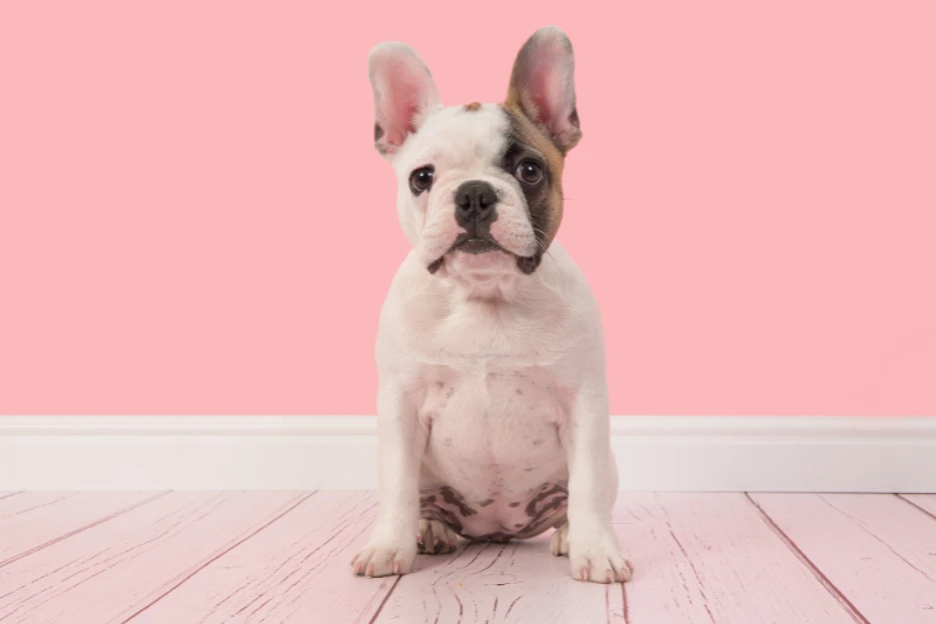
The American Kennel Club recognizes several standard colors. Fawn, cream, and white are very common. Brindle, which consists of dark hair mixed with lighter hairs in a tiger-stripe pattern, is also a classic look. Many French Bulldogs also have charming white markings on their chests or faces. The smooth coat is short and easy to manage, making the Frenchie a low-maintenance choice for grooming.
Rare Colors and What Buyers Should Know
You might see French Bulldog puppies advertised in "rare" colors like blue, lilac, or merle. While these are cool-looking French Bulldogs, they are not recognized by the official French Bulldog Club or by most Kennel Club standards. These colors can sometimes be linked to genetic health conditions. Always ask a reputable breeder about the history of these colors before committing.
Facial Features That Affect Daily Care
The most striking features of the Frenchie are the bat ears and the flat face. Because they are a brachycephalic breed, their facial structure is compressed. This results in heavy skin folds around the nose and mouth. These skin folds require regular cleaning to prevent irritation. Their large, dark eyes also need protection from dust and debris since they protrude slightly.
French Bulldog Temperament

Overall Personality Traits
French Bulldogs are known for being "clowns in the cloak of a philosopher." They have big personalities and a great sense of humor. A puppy will often engage in silly antics to get your attention. Despite their somewhat grumpy expression, they are incredibly happy and laid-back companions who just want to be part of the action.
Attachment to People and Family Routines
This breed thrives on spending time with its humans. They are not the type of dog that enjoys being left alone in a fenced yard. A Frenchie wants to sit on your feet while you cook or snuggle on the couch while you watch TV. Their deep, affectionate nature makes them wonderful emotional support animals and dedicated family members.
Behavior Around Children and Visitors
Because they are generally sturdy and patient, French Bulldogs tend to do well with children. They aren't as fragile as some other small breeds. When visitors come over, a Frenchie is usually more interested in getting pets than barking. They are not known as big barkers, which makes them great for those living in close proximity to neighbors.
Compatibility with Other Pets
Most French Bulldogs get along well with other pets, including other dogs and even cats. Because they were bred as companions rather than hunters, their prey drive is relatively low. However, early socialization at a young age is key to ensuring they remain friendly toward other animals throughout their lives. If you love playful, brainy companion dogs but are open to a slightly different look and energy level, take a look at some Miniature and Toy Poodles available here.
Energy Levels Inside the Home
While they have bursts of energy where they might zoom around the living room, their overall energy level is moderate to low. They are perfectly happy with a few short walks a day. Most of their time will be spent napping.
Common French Bulldog Health Concerns
Breathing Challenges Linked to Flat Faces
The most significant health concern for any brachycephalic breed is breathing difficulties. Because of their flat faces, they have shorter airways. This feature can lead to brachycephalic airway syndrome, where the dog struggles to get enough oxygen during strenuous exercise or in warm weather. Owners must be vigilant about panting and snoring.
Skin Issues and Allergies
French Bulldogs are unfortunately prone to skin allergies. Their skin folds can trap moisture and bacteria, leading to infections if not cleaned. Additionally, many Frenchies suffer from environmental or food-related skin allergies, which can cause itching, redness, and hair loss.
Joint, Spine, and Mobility Risks
Like many bulldogs, Frenchies can suffer from hip dysplasia and IVDD (Intervertebral Disc Disease). Their unique spinal structure makes them sensitive to back injuries. It is important to avoid strenuous exercise that involves jumping from high surfaces, like couches or beds, to protect the spine. Teaching Frenchies early to use a ramp or stairs may help avoid injury.
Digestive Sensitivities and Food Reactions
French Bulldogs are known for having "gassy" reputations. This is often due to their sensitive digestive systems. They may react poorly to certain grains or low-quality proteins. Finding the right balance of nutrients is essential to prevent chronic upset stomachs or weight gain.
Signs That Need Quick Vet Attention
As an owner, you should watch for signs of breathing problems, such as blue-tinted gums or excessive wheezing. If your dog is lethargic or refuses to eat, it could indicate a flare-up of health issues. Catching problems early is the best way to manage the higher life expectancy we all want for our pets.
How to Support a Healthy French Bulldog Long Term
Regular Vet Visits and Health Checks
To keep your Frenchie in top shape, regular checkups are a must. Your vet can monitor for signs of hip dysplasia and ensure their heart and lungs are healthy. Annual visits help catch health conditions before they become severe, ensuring your dog stays a part of the family for many years.
Weight Management and Daily Habits
Because of their muscular build, it’s easy to overlook weight gain. However, even a few extra pounds can worsen breathing difficulties and put pressure on their joints. Maintaining a healthy weight through a measured, high-quality diet is the single best thing you can do for your French Bulldog.
Safe Exercise Routines
Frenchies do not need, nor should they have, strenuous exercise. A few short walks per day are plenty. During these walks, use a harness rather than a collar to avoid putting pressure on their windpipe. This keeps them active without causing breathing problems.
Temperature Control and Heat Awareness
Because they struggle to cool themselves down, warm weather is dangerous for a Frenchie. Never leave them outside for long periods in the sun. In the summer, stick to an early-morning or late-evening walking schedule. Always ensure they have access to fresh water and a cool, shaded place to rest.
Creating a Low-Stress Home Environment
A calm home leads to a healthy dog. Frenchies are sensitive to their owners' emotions. Providing a secure area with a comfortable bed and plenty of mental stimulation helps prevent stress, which can otherwise exacerbate health issues, such as skin allergies.
Grooming and Routine Care for Your Frenchie
Brushing and Coat Maintenance
The Frenchie has a short, smooth coat that is very low maintenance. An occasional brushing with a rubber mitt or a soft-bristle brush will help remove loose fur and keep their coat shiny. They don't shed excessively, but regular brushing helps manage the hair they do lose.
Bathing Frequency and Product Choices
You don't need to bathe your French Bulldog every week. Once a month, or when they get particularly dirty, is usually enough. Use a gentle, hypoallergenic dog shampoo to avoid triggering skin allergies. Always dry them thoroughly, especially between their skin folds, to prevent moisture buildup.
Cleaning Facial Folds Safely
This is a vital part of Frenchie care. The skin folds on their face can collect dirt and moisture. Use a damp cloth or specialized grooming wipes to clean these areas daily. Keeping the folds dry is the best way to prevent irritation and unpleasant odors.
Ear Care and Infection Prevention
Those iconic bat ears are open to the world, which means they can collect wax and debris. Check their ears weekly for redness or a bad smell, which could indicate an infection. Use a vet-recommended ear cleaner to gently wipe the outer part of the ear canal.
Nail Trimming and Dental Hygiene
Like all breeds, French Bulldogs need their nails trimmed regularly. If you can hear them clicking on the floor, they are too long. Additionally, since they can be prone to dental issues, brushing their teeth a few times a week or providing dental chews is highly recommended.
Feeding and Nutrition for French Bulldogs
Daily Portion Sizes by Age
A puppy will need to eat more frequently, usually three to four times a day, to support their growth. As they reach an appropriate age, you can transition them to two meals a day. Always follow the caloric recommendations on your food bag or from your vet to maintain a healthy weight.
Feeding Schedules That Suit the Breed
Consistency is key. Feeding your Frenchie at the same time every day helps regulate their digestion. Because they can be prone to bloat (though less so than larger bulldogs), avoiding heavy activity right after eating is a good habit to form.
Ingredients That Support Sensitive Digestion
Look for high-quality proteins and limited-ingredient diets if your Frenchie has a sensitive stomach. Ingredients, such as lamb, fish, or hydrolyzed proteins, are often easier for the French Bulldog to digest than cheap fillers like corn or soy.
Foods That May Trigger Reactions
Every dog is different, but many Frenchies react poorly to chicken or certain grains. If you notice your dog is excessively gassy or has itchy skin, it may be a food allergy. Switching to a grain-free or novel protein diet under a vet's guidance can make a world of difference.
Treat Use and Weight Control
It is very easy to overfeed a Frenchie because they are so good at begging. Treats should make up no more than 10% of their daily calories. Use small pieces of fruit (such as blueberries) or low-calorie treats to reward them without causing weight gain.
Frequently Asked Questions
Are French Bulldogs Good Dogs for First-Time Owners?
Yes! Their laid-back nature and moderate exercise needs make them excellent for beginners. They don't require the intense training of a working breed or the space of a giant breed. As long as you are prepared for their health concerns, they are very rewarding.
Do French Bulldogs Bark Often?
Generally, no. They are not big barkers. They might alert you if someone is at the door, but they aren't prone to nuisance barking. It is one of the many reasons they are so popular for apartment living.
Can French Bulldogs Stay Home Alone During the Day?
While they love spending time with you, they can stay home for moderate periods. However, because they are so people-oriented, they may develop separation anxiety if left alone for 8-10 hours every day. If you work long hours, a dog walker or doggy daycare is a good idea.
Why Do French Bulldogs Cost So Much?
The price of French Bulldog puppies is high because breeding dogs in this breed is difficult. Most Frenchies cannot give birth naturally and require C-sections. Additionally, reputable breeders invest a lot in health testing and prenatal care to ensure the puppies are healthy.
How Long Do French Bulldogs Usually Live?
The average life expectancy for a French Bulldog is around 10 to 12 years. By maintaining a healthy weight, avoiding strenuous exercise in the heat, and keeping up with vet visits, many owners enjoy their company for even longer.
Conclusion
Bringing a Frenchie into your life is a journey filled with laughter and snuggles. These dogs offer a level of companionship that is hard to match. If you are looking for a loyal, laid-back friend who fits into a modern lifestyle, you should feel confident that the French Bulldog is a wonderful choice.
Whether you choose a reputable breeder or a rescue center, your choice matters. Ethical sources prioritize the health and temperament of the dog over profit. By avoiding puppy mills, you help improve the overall health of the French Bulldog breed and ensure you are getting a pet that has been treated with care from day one.
The foundation of your dog's life starts before you even meet them. A dog from a source that provides transparent health records and follows the American Kennel Club standards is more likely to have a long, healthy life. Your investment in a good source pays off in years of happiness with your new best friend.
Ready to Get Started?
Find your perfect puppy and start your journey today!